
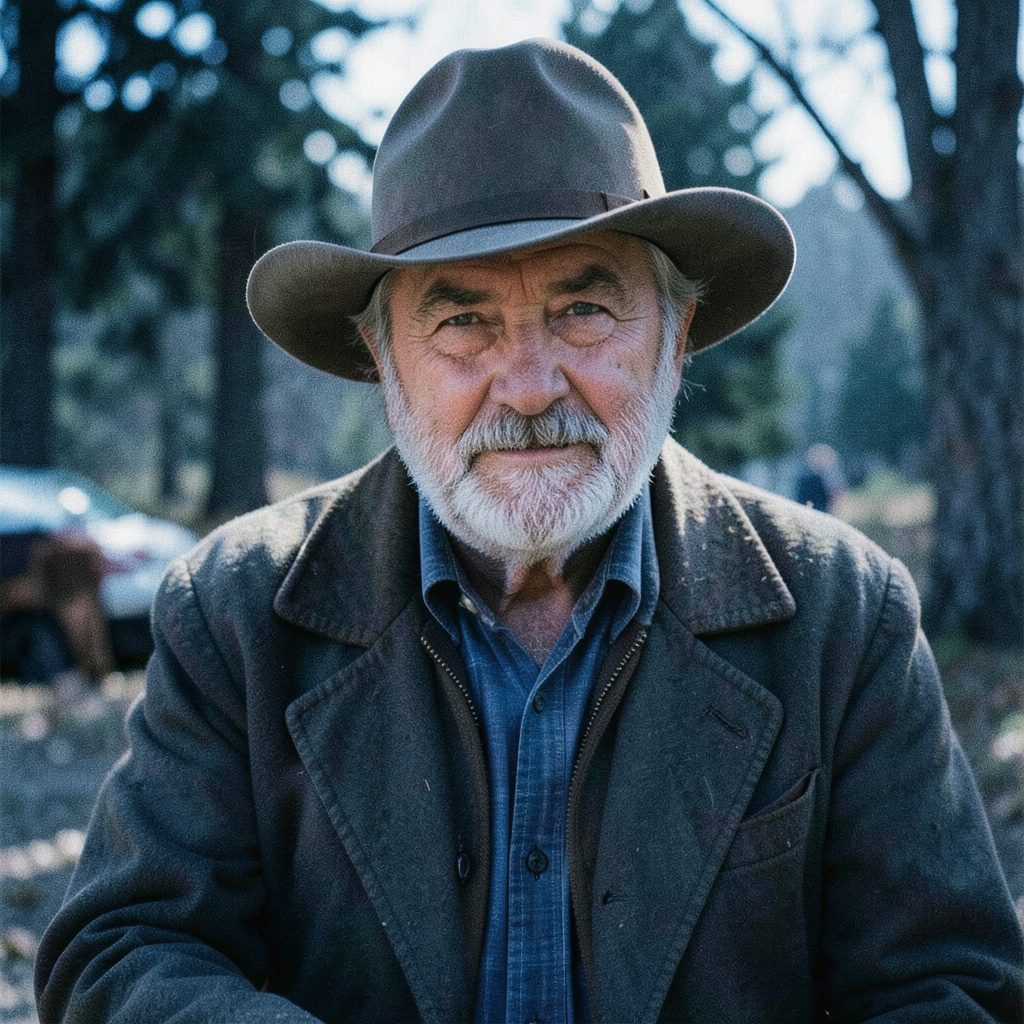
Why the honky-tonk piano player is the life of the party
A honky-tonk piano can turn a quiet room into a gathering before the first chorus is finished. Its bright treble, stomping bass and slightly ragged swing create a sound that feels immediate, social and wonderfully unpolished. It belongs in a packed bar, a dance hall, a backyard celebration and any venue where people have come to sing along rather than sit silently.
The player behind those keys has a special job. They read the room, catch a singer’s cue, stretch a turnaround when the crowd is enjoying itself and shift from a slow country ballad to a hard-driving two-step without making the change feel forced. That instinct is central to the tradition, from Texas dance halls to Australian pubs with a taste for old-school country.
For listeners in Australia, the appeal is easy to recognise. Think of a Saturday night at a Tamworth venue, a regional hotel outside Toowoomba or a small live-music room in Melbourne where strangers end up sharing a table. The honky-tonk pianist supplies the musical spark that helps a room loosen up, find its rhythm and become part of the performance.
The instrument sounds like a room coming alive
The classic honky-tonk piano voice is full of character. It may be slightly out of tune, sharply attacked or played with enough force to make every note feel physical. That imperfection is part of the charm. Rather than smoothing everything into a polished studio texture, the piano announces itself with clatter, bounce and a firm rhythmic pulse.
A skilled player uses the entire instrument as a source of energy. The left hand keeps a walking or boogie pattern moving, while the right hand adds bluesy fills, quick runs and playful answers to the vocalist. Those details give a song a conversational quality. The piano is not sitting behind the band; it is talking to the audience.
This is why a honky-tonk keyboard can make a modest venue feel larger. Even without elaborate production, its percussive attack cuts through guitars, fiddle, bass and drums. The result suits rooms where the crowd may be chatting, clapping, dancing or calling out requests between verses.
The player knows how to read the crowd
A party pianist is part musician and part host. They notice when dancers are ready for something faster, when a singer needs an extra bar before the next verse and when the room wants a familiar chorus. In country music, those decisions can matter more than technical perfection. Timing, confidence and a sense of humour often win the night.
That skill is especially valuable in Australian live venues, where a band may play to a mixed crowd of committed country fans, tourists, shift workers and locals who simply wandered in after dinner. At a pub in Newcastle or a festival site in Tamworth, the pianist may need to move between classic honky-tonk, western swing, rockabilly and contemporary country without losing the common thread.
The best players also understand the language of participation. A raised eyebrow, a repeated bass figure or a pause before the chorus can invite the room to sing. Soon the audience is doing more than listening: boots are tapping, glasses are lifted and people are calling for one more verse.
Honky-tonk piano carries a long Texas tradition
The sound is tied to a rich history of dance music, jukeboxes and travelling bands. Texas honky-tonks developed a style that balanced blues feeling, country storytelling and rhythmic drive. The piano helped bridge those worlds, giving singers a strong foundation while leaving room for instrumental personality.
The legacy of western swing is especially important. Bands such as Bob Wills and the Texas Playboys showed how country music could become elastic, sophisticated and irresistibly danceable. Their influence can still be heard in fiddle lines, swinging rhythm sections and piano parts that refuse to stay in the background. A deeper look at the Texas Playboys legacy reveals why the style remains so influential.
For Australian listeners, this history connects with local appreciation for roots music that feels played rather than manufactured. The same audience that enjoys a bush ballad, a country-blues guitarist or a dusty dance-floor shuffle can respond to a piano player who brings those traditions into a modern room.
The magic comes from interaction
A great honky-tonk pianist does not treat the set list as a fixed script. They listen closely to the drummer’s feel, leave space for the steel guitar and react to the singer’s phrasing. If a vocalist holds a note for an extra beat, the piano can answer with a flourish. If the band locks into a groove, the pianist can simplify and let the rhythm do the work.
That interaction creates small moments that audiences remember. A singer may lean towards the piano during a verse, a guitarist may trade a lick across the bar line, or the drummer may push the band into a faster ending. None of these moments needs to be planned in detail. They grow from trust, experience and the willingness to take a musical risk.
This is also why live honky-tonk feels different from a carefully edited recording. The player can respond to a cheer, recover from a missed note with a grin or extend a final chorus because nobody wants the song to end. The performance becomes a shared event instead of a reproduction.
The style works across Australian venues
Honky-tonk piano is flexible enough for a crowded inner-city bar, a regional festival or a country hotel with a small stage. In Brisbane, a band might bring the sound into a late-night venue near Fortitude Valley. In regional New South Wales, the same approach may suit a community hall, a rodeo gathering or a weekend dance. The instrumentation can remain lean while the atmosphere stays full.
Australia’s live music economy also rewards acts that can create a strong experience without a huge touring machine. Fuel costs, long distances and limited regional budgets make adaptable musicians valuable. A pianist who can perform solo, join a trio or anchor a full country band has practical appeal for venues booking entertainment across a wide local circuit.
Digital radio extends that reach. A listener in Perth can discover a Texas classic while someone in Cairns is searching for a new Australian roots artist. Online programming and song histories give this music a home beyond the traditional pub circuit. Fans interested in discovering artists, records and radio favourites can also browse roots music resources while building a broader listening habit.
Why the sound still matters at a party
The honky-tonk piano player is often the life of the party because the instrument makes emotion physical. A fast boogie invites movement, a minor-key ballad gives the room a moment of focus, and a familiar country chorus lets people sing without worrying about being polished. The pianist shapes those changes with a directness that audiences understand immediately.
The role also has a democratic quality. You do not need specialist knowledge to enjoy a good shuffle or respond to a well-timed musical joke. The style welcomes the experienced dancer, the curious newcomer and the person who only knows the chorus. That openness helps explain why honky-tonk continues to travel across borders and generations.
| Feature | Honky-tonk piano player | Typical background accompanist |
|---|---|---|
| Main role | Drives the atmosphere and responds to the room | Supports the song with a steady texture |
| Rhythmic feel | Boogie, shuffle, two-step and western swing | Usually follows a set groove |
| Audience connection | Encourages singing, dancing and requests | Less visibly interactive |
| Performance style | Improvised fills and spontaneous changes | More tightly arranged |
| Best setting | Pubs, dance halls, festivals and lively clubs | Studio sessions or quieter listening rooms |
For venues and music businesses, that energy can be part of a wider roots-music identity. A station, festival or online publication that understands the culture can connect performers with listeners who want personality as much as precision. Businesses looking to reach country and honky-tonk fans can explore advertising opportunities that place their message alongside specialist programming and music coverage.
The next time a piano player starts a rolling left-hand pattern in a crowded room, listen to what happens around the notes. Conversations pause, dancers find the beat and singers stand a little taller. That is the lasting power of honky-tonk: it turns musicians and listeners into one lively, noisy, good-humoured gathering.
Tune into Roothog Radio for honky-tonk programming, song histories, reviews and Texas music discoveries that keep the party moving. Make a request, explore the schedule, support independent roots radio or share the station with someone who never says no to a swinging piano.