Why honky-tonk keeps coming back to trucks, beer and heartbreak
Honky-tonk has always sounded like music made close to the ground. Its stories unfold in working towns, roadside bars, dance halls and parked cars, where a person can lose a relationship, find a temporary escape or measure the week by the distance travelled. Trucks, beer and heartbreak are familiar subjects because they give ordinary lives a strong musical shape.
The genre also thrives on contrast. A big vehicle suggests freedom, while a broken heart creates a reason to keep driving. A cold beer can mean celebration, loneliness, friendship or simply the end of a long shift. In a few plain details, a honky-tonk song can suggest an entire life without needing elaborate language.
That directness travels well beyond Texas and Tennessee. In Australia, listeners recognise the emotional landscape in utes outside a regional pub, dusty highways between towns, Friday-night beers and songs played at a Tamworth festival campsite. The accents may change, but the feelings remain remarkably close.
The vehicle is a symbol of movement
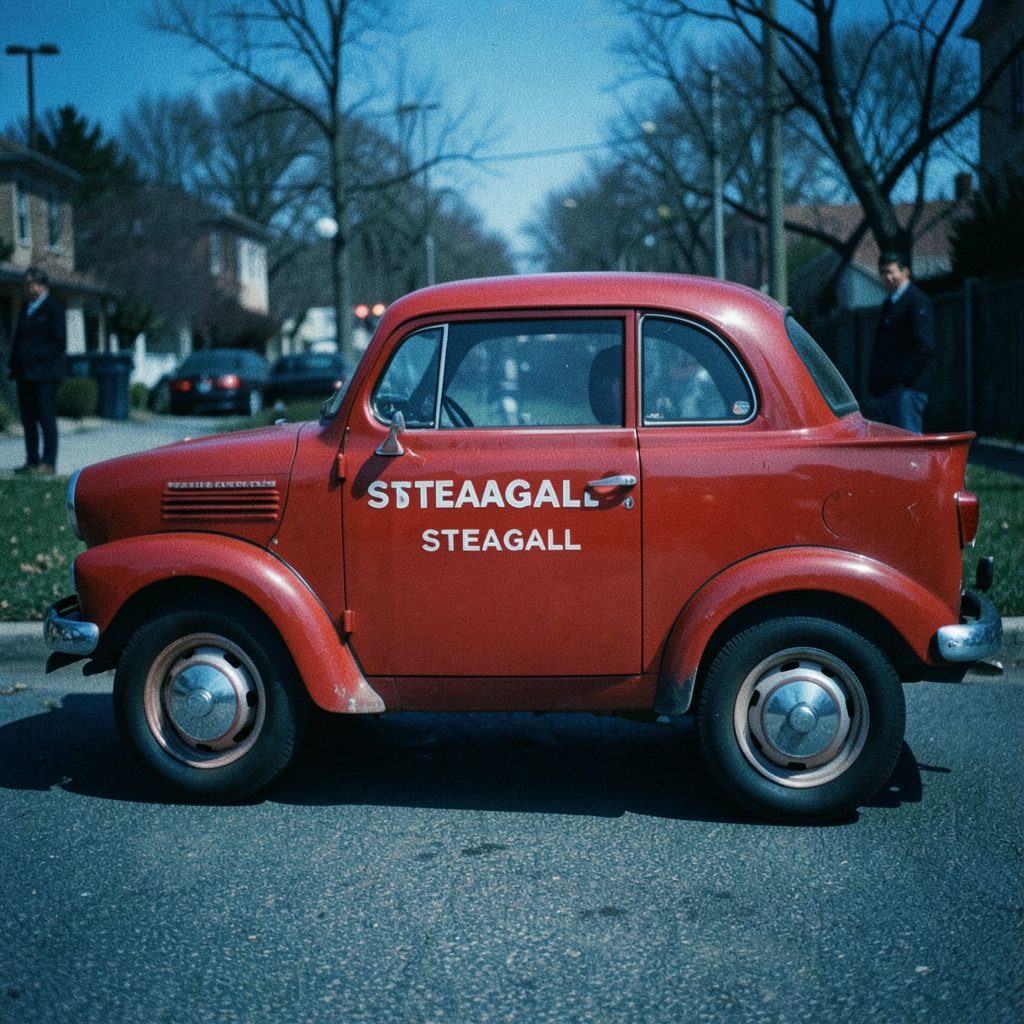
Trucks and utes are useful storytelling devices because they carry both people and meaning. In a honky-tonk song, a pickup may be the place where a romance begins, the escape route after an argument or the last object left behind by someone who has gone. It turns emotional uncertainty into a physical journey.
Australian listeners can easily translate the image into a Hilux, Ranger or old LandCruiser heading past Dubbo, Wagga Wagga or the outskirts of Toowoomba. The vehicle does not need to be glamorous. Scratches, a dog in the tray and a radio tuned to country music often make the story feel more believable.
Road distance adds pressure to every decision. A character who drives through the night has time to replay a conversation, pass familiar roadhouses and decide whether to return home. The highway becomes a moving room where regret, hope and stubbornness can all share the same passenger seat.
Beer belongs to the social world of the song
Beer appears so often because honky-tonk grew from places where music and drinking were part of the same social occasion. A barroom is a setting where strangers meet, couples argue, musicians watch the crowd and private trouble becomes public entertainment. The drink is usually less important than the moment around it.
A beer after work can represent earned relief, particularly in stories about long shifts, farm jobs, construction sites or hot days outdoors. In other songs, an untouched bottle exposes sadness more clearly than a dramatic speech. The details are simple: one person orders another round, stares at the door and hopes someone walks back in.
The Australian version might feature a schooner in New South Wales, a middy in parts of Victoria or a stubby at a Queensland pub. Local drinking customs vary, yet the emotional function remains familiar. The pub is a meeting place, a refuge and sometimes the worst place to discover that an ex-partner has moved on.
Honky-tonk does not require alcohol to be the hero. Its strongest songs often show the cost of using a night out to avoid difficult feelings. That balance gives the subject its staying power and keeps the music grounded rather than glamorous.
Heartbreak gives the rhythm a reason
Love songs in this tradition rarely treat heartbreak as an abstract emotion. They attach it to a missed call, an empty house, a name on a barstool or a suitcase placed beside the front door. The listener understands the pain because it has a location and a sequence of events.
This is where the genre’s plainspoken writing becomes powerful. A line about a former partner taking the good dog, the better truck or the last clean shirt can communicate more than a page of explanation. Humour often sits beside hurt, allowing the singer to admit vulnerability without losing self-respect.
The arrangement reinforces the story. A steel guitar can make regret shimmer, while a clipped snare and walking bass keep the song moving. Even when the lyrics describe emotional wreckage, the rhythm suggests that tomorrow will still arrive and the narrator will have to get on with the day.
That mixture suits listeners who prefer feeling over performance. A honky-tonk singer does not need to sound untouched by pain; the voice can crack, strain or lean into a phrase. The imperfection becomes evidence that the story has been lived.
Why the formula stays fresh
The subjects are familiar, but songwriters keep renewing them through perspective. One track may come from the driver, another from the person waiting at home, and another from the bartender who has seen the entire relationship collapse over several weekends. The same truck or beer can carry a different meaning in every verse.
Classic country songs also survive through reinterpretation. A strong composition can move from a dance-floor shuffle to a slower acoustic performance without losing its emotional centre. That is why listeners continue to explore honky-tonk cover songs: familiar stories can reveal new shades when the singer changes the tempo, accent or point of view.
For Australian artists, that flexibility creates room to write locally without abandoning the tradition. A song might mention a ute outside a hotel in Bendigo, a long run from Adelaide to Broken Hill or a breakup after the Tamworth Country Music Festival. The setting changes, while the core tension remains recognisable.
The genre also benefits from its compact emotional architecture. A verse establishes the problem, a chorus names the feeling and a final verse shows what the character will do next. The listener receives a complete story in three minutes, often with enough unanswered space to add personal memories.
The working parts of a honky-tonk story
Certain images keep returning because they give songwriters an immediate emotional vocabulary:
- A truck or ute signals escape, work, independence and memory.
- A bar creates conflict, companionship and a place to hide.
- A cold drink marks relief, celebration or loneliness.
- A broken relationship supplies stakes and a reason to sing.
These details become effective when they are specific. “The road” is a broad image, but a particular fuel stop at midnight feels lived-in. “A beer” is ordinary, while a warm bottle left beside an untouched plate tells the audience that someone has been waiting too long.
A good honky-tonk lyric often balances toughness with admission. The narrator may claim to be fine while describing every detail that proves otherwise. That contradiction is central to the genre’s charm, especially when the performance carries a wink rather than turning sorrow into melodrama.
Listeners can hear the storytelling tradition in several recurring forms:
- The leaving song, built around keys, wheels and a final goodbye.
- The barroom song, where strangers trade stories after dark.
- The working song, connecting labour with pride and exhaustion.
- The recovery song, where tomorrow becomes a modest promise.
These forms work because they are flexible enough for both rural and urban audiences. They can describe a cattle station, a mining camp, a suburban garage or a late shift near Melbourne’s industrial edges. Honky-tonk remains convincing when the emotional detail is sharper than the setting’s postcard image.
How radio keeps the stories alive
Radio gives these songs a social life that playlists cannot always provide. A presenter can place an old Texas shuffle beside a new Australian release, explain its history and let the listener hear a connection that would be easy to miss in isolation. The result feels like a conversation across generations.
That role matters in a market where country music reaches far beyond rural communities. Sydney and Melbourne have large listening audiences for Americana and roots music, while regional stations connect with people who know the roads, venues and working routines described in the lyrics. Digital radio also lets listeners follow specialist programming from anywhere in the country.
A service such as Roothog Radio can make the experience more personal through schedules, song history, reviews and requests. A listener who hears a track about a failing relationship may want to learn who recorded the original, compare a cover version or send in a song that matches the mood. Those small acts turn passive listening into participation.
Online discovery has widened the path further, with listeners moving between radio, streaming platforms and specialist music discovery resources. For Australian fans, this means a song heard during a drive from Perth to Geraldton can lead to an entire catalogue of Texas dance music, western swing or modern honky-tonk.
The best radio programming understands that these songs are both entertainment and cultural memory. A truck, a beer and a broken heart are not empty clichés when they are attached to a precise voice, a distinctive guitar line and a situation listeners can recognise. They are shorthand for work, desire, freedom, disappointment and the stubborn decision to keep moving.
Turn up Roothog Radio, explore the schedule, send in a request and let the next road song find its place in your day. Whether you are listening from a pub in Tamworth, a backyard in Brisbane or a long stretch of highway far from home, honky-tonk still knows how to make everyday trouble sound worth singing about.