
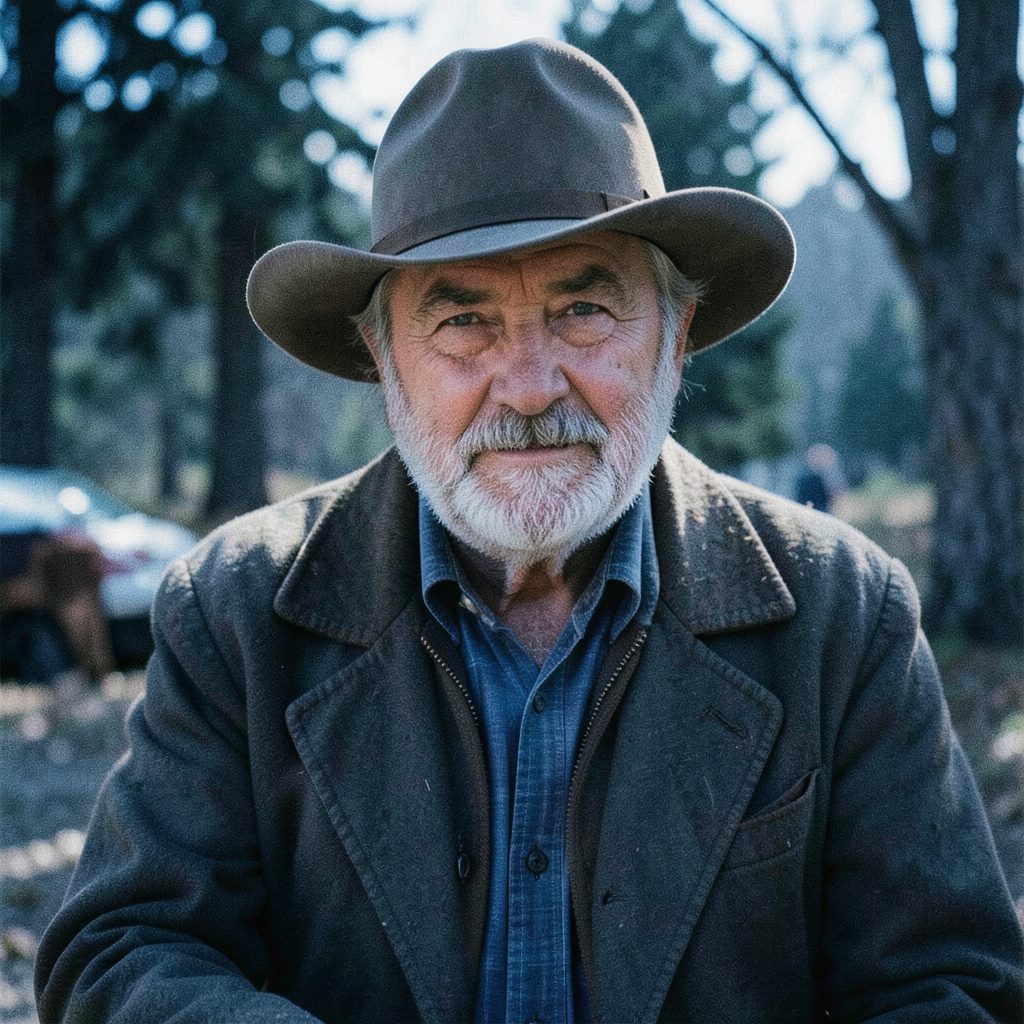
Honky-Tonk heritage: the rise and fall of Texas dance halls
The Texas dance hall circuit represents one of the most distinctive cultural phenomena in American music history. From the 1920s through the 1970s, these wooden-floored gathering places served as the heartbeat of rural and small-town communities across the Lone Star State. They hosted everything from local square dances to performances by legendary country and western swing musicians, creating a unique ecosystem that blended entertainment, community, and commerce.
For Australian listeners who have fallen hard for honky-tonk, the story of these halls carries a familiar ring. Country music has deep roots Down Under, with venues in Melbourne, Sydney, and Adelaide nurturing a passionate audience for Texas sounds. The Australian pub tradition, with its own love of live bands and cold beer on a Saturday night, mirrors the social role dance halls played in Texas towns. Many fans in Brisbane and Tamworth have followed artists like Dale Watson or heard stories from older relatives who crossed paths with Texas musicians touring the Pacific circuit.
Yet the rise and fall of the Texas dance hall circuit is a story of booms, busts, and shifting cultural habits. Oil wealth, post-war prosperity, and the explosion of country music created a peak era when nearly every sizeable town supported at least one thriving dance hall. Then changing demographics, urban migration, and entertainment alternatives began eroding the foundation these institutions rested on. Understanding this arc helps modern listeners appreciate why surviving halls like Gruene Hall or the Broken Spoke feel almost sacred.
This history matters now because the music industry is again wrestling with questions about live performance spaces and authentic cultural venues. As Australian country fans continue seeking genuine Texas sounds, knowing the legacy of these halls adds depth to every song played on programs like those streaming from dedicated honky-tonk radio stations.
Roots in oil boom towns and rural communities
The earliest dance halls emerged in the late nineteenth century as gathering spots in rural Texas towns. Many were simple wooden structures attached to general stores or saloons, offering farmers and ranchers a place to socialise after long working weeks. The discovery of oil at Spindletop in 1901 and subsequent booms across West Texas and the Gulf Coast injected sudden wealth into otherwise modest communities, and dance hall construction exploded alongside derricks and refineries.
Towns like Kilgore, Snyder, and Lubbock saw new halls built specifically to accommodate the workforce flooding in from neighbouring states. These venues became essential infrastructure, much like the workers' clubs that anchor communities across Australia's mining regions. In both cases, entertainment spaces served as pressure valves where hardworking people could release tension through music and dance after brutal shifts.
The rise of western swing in the 1930s, pioneered by Bob Wills and his Texas Playboys, transformed these humble halls into showcases for sophisticated live music. Wills famously declared that his goal was to play the best dance music in the world, and his band's tours through the circuit created demand for bigger venues, better sound systems, and professional bookings. This era established the dance hall as a serious cultural institution rather than just a community gathering place.
The golden age of two-steps and big bands
By the 1940s and 1950s, the Texas dance hall circuit had entered what many consider its golden age. Halls like Gruene Hall, the Sutphen Ballroom in San Antonio, and the legendary Skyline Club in Austin hosted thousands of patrons weekly. Big bands featuring fiddles, steel guitars, and horn sections could draw crowds of a thousand or more on Saturday nights, with formal dress codes and dance instructors becoming common features.
The economics of this era were remarkable. Hall owners could afford to book national touring acts because attendance was reliable, alcohol sales were brisk, and partnerships with local radio stations helped promote each weekend's lineup. This business model echoes the peak years of Australian venues like Melbourne's Palais Theatre or the Tamworth Country Music Festival events, where multiple revenue streams kept entertainment financially viable across long seasons.
Honky-tonk itself crystallised as a distinct style during this period, with artists like Hank Williams, Lefty Frizzell, and later George Jones crafting songs about heartbreak, hard drinking, and hard living that matched the atmosphere of the halls perfectly. The circuit became a proving ground where unknown singers could build regional followings, eventually catching the attention of Nashville labels. Many Texas musicians earned their reputations through dozens of gruelling weekend drives between halls, a grind familiar to country acts touring Australia's vast distances between capital cities.
The twisting road toward closure
The decline of the Texas dance hall circuit began gradually in the 1960s and accelerated through the 1980s and 1990s. Multiple factors converged to weaken the foundation these institutions relied upon. Understanding these pressures offers lessons for any community trying to preserve its live music venues.
- Rural depopulation as young Texans migrated to Dallas, Houston, and Austin for employment
- Rising operating costs for insurance, liability, and property taxes on older wooden buildings
- Competition from television, then video rental, and eventually home entertainment systems
- Stricter drunk driving laws that reduced the casual attendance patterns halls depended upon
The closure of major venues was devastating to small economies. When the Sutphen Ballroom shut down in the early 1970s, the loss was felt across San Antonio's country music scene. Similar stories played out in towns throughout the Hill Country and the Panhandle, where boarded-up dance halls still stand as monuments to a vanished era. The pattern mirrors closures across regional Australia, where historic pubs in towns like Broken Hill or outback Queensland settlements have struggled against the same economic headwinds.
Insurance costs deserve particular attention. After a series of high-profile fires at older venues nationwide, insurance premiums for wooden dance halls skyrocketed, making it economically impossible for many family-owned operations to continue. Combined with zoning changes that pushed commercial entertainment away from town centres, the pressure became overwhelming for thousands of family operations.
| Era | Primary revenue sources | Typical attendance | Booking style | Audience profile |
|---|---|---|---|---|
| Golden age (1940s-1960s) | Dance admissions, bar sales, vending | 800-1,500 regulars weekly | National touring acts, local favourites | Local working-class regulars, families |
| Transition (1970s-1990s) | Cover charges, declining bar sales | 200-600 weekly, mixed demographics | Mixed bills, regional acts only | Ageing regulars, curious tourists |
| Modern revival (2000s-present) | Tourism, special events, craft beverages | Smaller crowds, higher per-spend | Heritage acts, tribute nights, festivals | Mixed ages, visitors, dedicated enthusiasts |
This comparison highlights how dramatically the business model and audience composition shifted over eight decades. The dance halls that survived learned to adapt their operations while preserving the essential experience of live country music on a wooden floor.
Cultural imprint beyond the state lines
Even as physical halls closed, the cultural legacy of the Texas dance hall circuit spread far beyond state borders. The aesthetic, the songbook, and the social rituals created within those walls influenced country music worldwide. Australian musicians have been particularly receptive to this inheritance, with local artists drawing directly from Texas traditions while adapting them to local sensibilities.
Several elements of that legacy remain vivid for modern audiences:
- The two-step as a social dance, taught in lessons across Australia and the United States
- The concept of the honky-tonk bar as a place for authentic, unpolished live music
- Songs about working-class struggles, ranching life, and romantic loss that translate across cultures
- The tradition of song requests and audience interaction preserved by independent radio stations
The international appeal of Texas dance hall culture is evident in the success of events like the Tamworth Country Music Festival, where American roots artists draw enthusiastic crowds alongside local performers. The circuit's influence also shows up in Australian pub culture, where venues in Brisbane's Fortitude Valley or Sydney's inner west have adopted country night programming to attract diverse audiences. Even small-town halls in regional Victoria and New South Wales have hosted Texas-style dance nights, proving the format's adaptability.
Modern resurgence and preservation efforts
A surprising development over the past two decades has been the partial revival of the Texas dance hall circuit. Surviving venues have recognised their historical value and leaned into heritage tourism, while new operators have opened contemporary versions inspired by the original format. Gruene Hall continues operating much as it did in the 1970s, while the White Horse in Austin and the Broken Spoke remain active cultural anchors.
The contemporary dance hall scene differs from its predecessor in important ways. Today's venues often rely heavily on tourism, craft beverage sales, and special event bookings rather than weekly dance nights. Audiences tend to be older, more affluent, and often visiting from out of town rather than local regulars. Yet the core formula of live country music, cold beer, and wooden dance floors remains remarkably intact across the surviving locations.
Australian listeners contribute to this revival through their enthusiasm for Texas music tours that now include Australian dates. Bands like the Flatlanders, Asleep at the Wheel, and various Red Dirt artists have cultivated international followings that help sustain the American scene. Radio programmers and dedicated online stations play crucial roles in maintaining interest between tours, ensuring that classic dance hall recordings remain part of regular rotation rather than museum pieces gathering dust.
What the circuit means for today's country scene
The story of the Texas dance hall circuit offers practical lessons for anyone invested in preserving live music traditions. Authenticity matters, but so does adapting to changing demographics and entertainment habits. Communities that have succeeded in keeping their halls alive tend to combine historical preservation with modern amenities, sensible business practices, and inclusive programming that welcomes new audiences rather than freezing the experience in amber.
For Australian country fans, the circuit represents a parallel tradition worth celebrating and supporting. Whether attending a Texas-style night at a local pub, streaming dedicated honky-tonk programming, or planning a pilgrimage to the surviving halls, listeners are participating in a living legacy. The venues that endure today survived because passionate people fought to keep them operating, often against considerable odds and shifting cultural tides.
Listeners who want to deepen their connection to this music heritage can take several meaningful steps. Tune into dedicated programming that showcases Texas dance hall classics, attend local events that honour the tradition, support independent radio stations working to preserve the format, and visit surviving venues when travel permits. Each action helps ensure that the stories told within those wooden walls continue finding new audiences around the world.
The Roothog Radio team welcomes requests, suggestions, and stories from listeners who have visited Texas dance halls or discovered this music through Australian channels. Reach out through the station contact page to share memories, song dedications, or tips about upcoming events. The conversation around honky-tonk heritage thrives when fans from every corner of the world contribute their voices to the mix and keep these traditions alive for the next generation.