
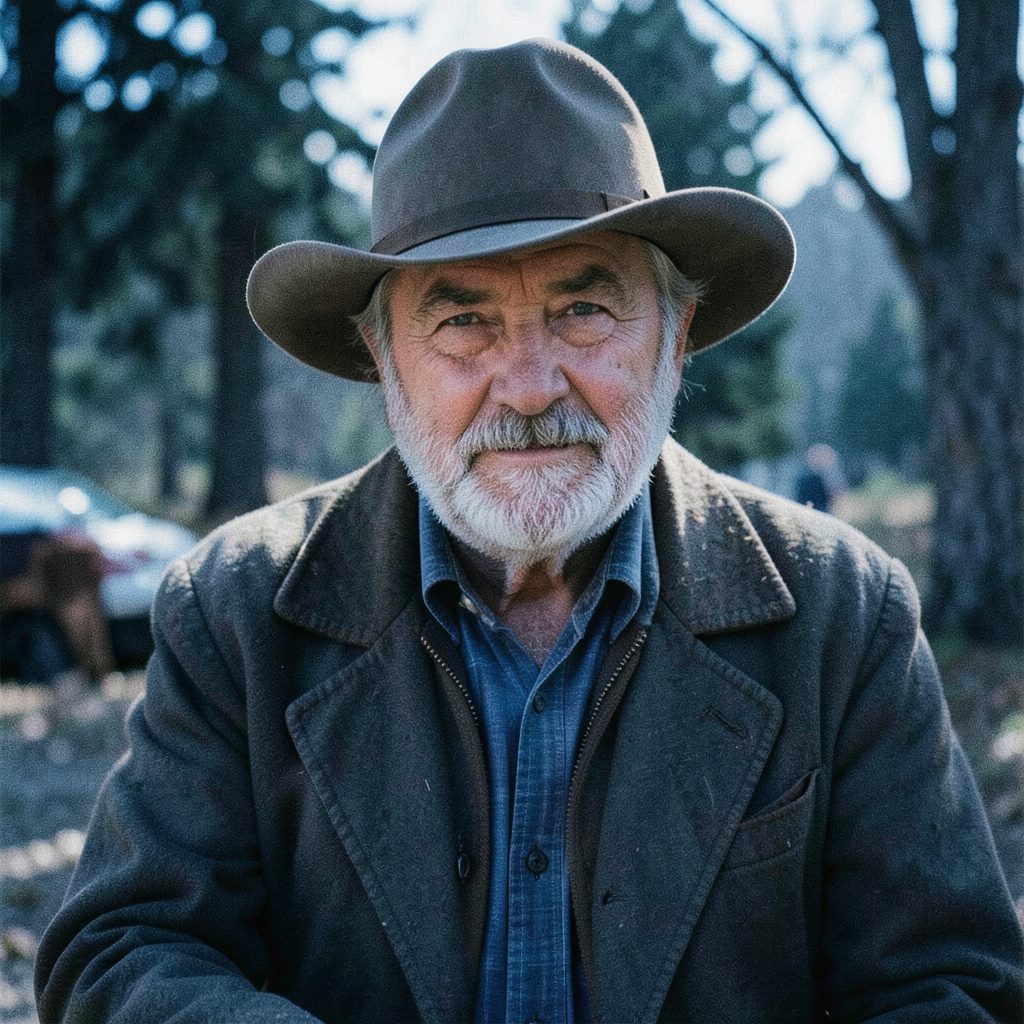
The history of the honky-tonk heartache in song
Honky-tonk songs turn private disappointment into public ritual. A failed romance, an unpaid tab, a lonely drive home or a name scratched from a dance card becomes material for the singer, the band and everyone gathered around the bar. The pain is personal, yet the setting makes it communal: a room full of strangers already understands the chorus.
The tradition has travelled far beyond the Texas dance halls that helped shape it. Australian listeners hear its echoes in country pubs, regional festivals and late-night radio, from Tamworth to Darwin. Its language remains direct, rhythmic and physical, built from details that let a listener see the empty stool, hear the closing piano and feel the distance between two people who once danced together.
Where the heartache began
The emotional blueprint developed alongside early country music, blues and Western swing. Honky-tonks were noisy, democratic venues where working people drank, danced and listened to small bands. Their songs needed to cut through conversation, so the writing favoured strong images, repeated phrases and melodies that could be remembered after one hearing.
The central character was often a person stranded between attachment and independence. He might insist that he is free while counting the hours since a lover left. She might appear as the reason for the drinking, yet the lyrics frequently reveal that the deeper wound is pride. This tension gives the genre its dramatic energy: the narrator claims control while every verse proves that control is slipping.
Early honky-tonk writing also established a moral vocabulary. The bar could represent refuge, temptation, failure or honesty, depending on the song. A bottle was rarely just a drink; it marked an attempt to delay memory. A train suggested escape, while a telephone promised connection that might never come. These recurring objects made complex emotions easy to recognise without lengthy explanation.
The piano, the bar and the broken line
The honky-tonk piano became one of the style’s defining voices. Its bright, forceful rhythm could make sadness dance, creating a productive conflict between the music’s movement and the lyric’s despair. The left hand kept the floor alive while the right hand added clipped flourishes, passing notes and little flashes of mischief.
For a closer look at the instrumental language behind this tradition, Roothog Radio’s Lone Star piano guide traces the players whose touch helped define Texas honky-tonk. Their approach explains why the genre can sound celebratory even when the words describe betrayal. The piano refuses to let the singer collapse completely.
Lyrically, that same tension appears in the broken line. Verses often move in short statements rather than long reflections: she left, the bar closed, the narrator stayed. The compact phrasing resembles ordinary speech, but the repetition gives it ritual weight. A line repeated at the end of a verse can sound like a fact, a confession and a failed attempt at self-persuasion all at once.
From dance hall confession to country standard
By the middle of the twentieth century, honky-tonk heartache had become one of country music’s most reliable subjects. Singers and writers refined the contrast between a plainspoken verse and an unforgettable refrain. The best examples avoid vague sadness. They name the place, the time and the small act that exposes the emotional truth.
This is why a lyric about a last drink can carry more force than a grand declaration of eternal love. Specificity creates credibility. The narrator remembers the colour of a dress, the sound of a screen door or the exact hour a promise failed. Such details make the heartbreak feel documented rather than invented.
The style also made room for humour. A wounded narrator might exaggerate his misery, blame the jukebox or address the bartender as a counsellor. That comic edge is important because honky-tonk songs rarely treat sadness as a noble pose. They expose vanity, poor decisions and emotional repetition. The singer returns to the same mistake because the audience recognises the pattern.
Over time, the form moved through Nashville country, Western swing, rockabilly, outlaw country and modern Americana. Production changed, but the lyrical engine survived. Steel guitar, fiddle, electric guitar and drum kits replaced or joined the old dance-hall ensemble, while the story continued to ask why someone remains loyal to a person who has already gone.
How the lyric makes loneliness public
A useful way to analyse a honky-tonk song is to track its movement between public and private spaces. The narrator may begin in a crowded room, surrounded by music and conversation, then reveal an intensely private memory. The crowd becomes a chorus of witnesses. Even when nobody in the lyric offers comfort, the act of singing prevents the pain from remaining entirely secret.
Pronouns matter as well. “I” establishes confession, “you” creates accusation or pleading, and “we” often appears as a ghost of the relationship that has ended. A song may begin with “we” in the first verse and finish with “I,” showing that the shared identity has dissolved. That grammatical shift can communicate separation more sharply than a direct statement.
Repetition often imitates obsession. The same name, place or phrase returns because the narrator cannot move past it. Internal rhyme and clipped consonants can make a lyric feel brisk even when its subject is despair. Conversely, elongated vowels create room for the voice to linger over a word such as “gone,” “home” or “alone.”
The strongest songs leave a gap between what the narrator says and what the audience understands. “I’m doing fine” may arrive beside an empty glass and a closing-time announcement. That irony invites listeners to participate in the interpretation. The singer gives the facts; the audience hears the denial underneath them.
Why the tradition still travels
Honky-tonk heartache remains powerful because its emotional setting is portable. An Australian listener can recognise the closing pub, the long highway, the ute parked under harsh lights or the awkward silence after a breakup, even when the original song mentions a Texas barroom. The geography changes, but the emotional architecture stays familiar.
That portability helps explain the enduring local audience for American country styles in Australia. The Tamworth Country Music Festival creates a large annual meeting place for performers, industry figures and fans, while smaller venues in Brisbane, Melbourne and Perth keep dance-oriented country music active throughout the year. In regional towns, live music still often depends on the pub circuit, where a direct chorus can connect quickly with a mixed crowd.
The local market also changes how these songs are heard. Australian country listeners move between streaming playlists, community radio, touring shows and physical merchandise. A classic honky-tonk track may sit beside contemporary Australian bush balladry, Americana or modern Texas country. The accent and scenery differ, but the themes of distance, work, loyalty and lost love overlap.
Digital listening has expanded that communal experience. Fans now gather around anniversaries, catalogue discoveries and shared playlists in ways that resemble other global music communities, including the global streaming ritual built around collective listening. For honky-tonk, this means a song once heard in a bar can now travel through recommendation feeds, radio archives and listener requests within seconds.
Roothog Radio’s song history archive adds another valuable layer by treating recordings as part of a continuing story rather than disposable playlist items. Context can change the listening experience: knowing when a song was recorded, who wrote it or which earlier tradition it borrows from can reveal why a familiar line still feels fresh.
The genre’s future will depend on that balance between inheritance and renewal. New writers can retain the old barroom images while addressing modern isolation, long-distance relationships, economic pressure and changing ideas about masculinity. A contemporary heartbreaker does not need to copy a 1950s arrangement to belong to the tradition. It needs the same commitment to concrete detail and emotional consequence.
At its best, honky-tonk writing makes sorrow audible without making it weightless. The beat keeps moving, the band gives the room a pulse and the lyric admits what pride tries to hide. That combination is why the music survives across borders, generations and formats: the heartbreak may begin in a Texas dance hall, but the final verse can belong to anyone listening after midnight.
Tune in to Roothog Radio, explore the song history, request a track that carries your own late-night story and support independent honky-tonk broadcasting through its music, merchandise and supporter community. Your listenership helps keep these barroom songs in circulation for the next generation of country fans.