
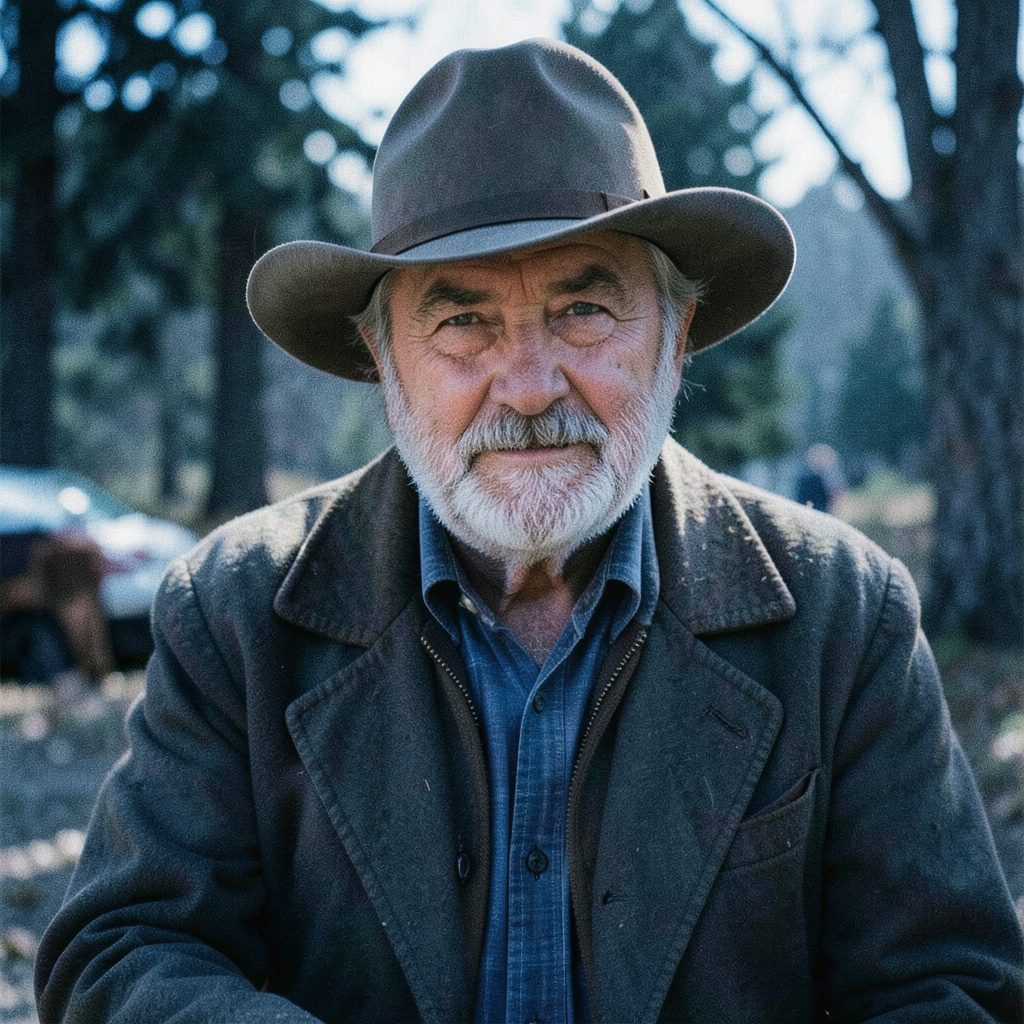
Interview: A legendary honky-tonk fiddler on his fifty-year career
After fifty years of bowing a fiddle across dancefloors, back rooms and radio booths, West Texas musician Leonard “Lenny” Stroud still treats every tune as a conversation. He began playing in 1975 with a three-piece western swing band, taking weekend shifts so the musicians could afford fuel and fishing tackle. Now in his early seventies, he leads a quartet for farm parties, rodeos and dancers who know the difference between a shuffle and a flat-footed stomp.
His story sits in the lineage of honky-tonk, where fiddle lines ride over electric guitar, bass and drums rather than vanish behind them. Stroud resists the idea that old-school country is a museum. Each year, he learns songs favoured by younger audiences and pays attention to players who book him, even when their musical roots lie in blues, folk or bluegrass.
For Australian listeners, that mix offers an approachable way into Texas music. The relaxed pace of a pub set, the humour in a well-told chorus and the invitation to join a dance fit familiar Australian venue customs. What can feel unfamiliar is the Western swing sound: a bright, elastic fiddle leading a band that moves from a lazy swing to a driving two-step without losing its sense of occasion.
A lifetime behind the strings
Stroud grew up outside Abilene, where Saturday night meant either a church hall or a country dance with a band that had to pack its gear into one station wagon. His parents tolerated the practice sessions; after a few years, his father began carrying the fiddle case to work so his son could play at local functions. Stroud says those early jobs taught endurance more than technique, because the band stayed for the whole dance, the clean-up and the conversations afterwards.
His first professional break came when a house band needed a replacement for the night. Stroud knew the set list but not every chord, so he followed the guitarist’s cues and left generous space for the other players. The mistake made him practise differently. “I stopped trying to be noticed,” he says. “I started listening for the spaces where the song needed me.”
Fifty years later, that listening remains his strongest professional skill. Stroud has recorded with original honky-tonk acts, backed singers on independent albums and made guest appearances at community events far from the large Texas venues. He calls the journey “a long song with a few wrong notes”, a modest description of a career built on consistency rather than a single breakthrough hit.
West Texas in an Australian car
His first Australian shows brought a revealing comparison. Stroud noticed that Australian audiences often know country music through the polished Nashville sound or the lean storytelling of the bush-band scene. Western swing demands another kind of attention, he found: the rhythm can loosen, the vocal harmonies can sharpen and the fiddle can lead without forcing the dance.
The fit has widened since then. At the Tamworth Country Music Festival, country fans move easily between Australian balladry, rockabilly and swing. At Brisbane’s Royal Queensland Show, the Ekka’s country stages still give regional performers a place to test new material. Many Australian musicians also came to honky-tonk through community radio, learning a repertoire one announcer’s request at a time.
Stroud believes that sense of narrative is one of the genre’s strongest Australian draws. As he puts it, people may arrive for the beer and the footwork, but they stay for a story with a place, a road and a consequence. The stories behind Texas songs reflect that plainspoken power, whether the song reaches from a ranch gate to a crowded city bar.
Reading the room
A fiddle in a honky-tonk band is not simply a lead instrument. It can push the tempo, answer a vocal line or pull a dance back into motion when the room starts drifting. Stroud watches the drummer for tempo, the bassist for changes and the crowd for mood. His phrasing leaves gaps for Telecaster chords and pedal-steel colour, giving the rhythm section room to speak.
That sensitivity came from years of imperfect rooms: a low ceiling, a noisy generator and dancers who needed several choruses to find their footing. Stroud remembers one night when he stopped following the written arrangement and played a repeated phrase until the dancers began clapping on it. The bassist followed, the crowd responded, and the band finished the number in a different key. “That was the set everyone remembered,” he says.
The story offers a lesson about leadership as much as music. Stroud does not confuse control with command. He can direct a band by naming the beat, and he can let it wander when the song needs space. The best performances in his diary, he says, were not flawless but shared: musicians watching one another, adjusting and enjoying the risk together.
The songs that made the career
Stroud’s repertoire grew from western swing instrumentals into a broad country set built for working people. Fast instrumentals such as “Take Me Back to Texas” sit beside slower ballads, outlaw songs and western standards. He says the common thread is danceability, not era. A melody should invite a heel tap, a turn or a shoulder sway, even when the words leave the dancefloor for a lost job or a broken promise.
Some requests have stayed in his catalogue for decades, including a plainspoken truck-driving song that brings drivers to the front of the room. Others arrive because a younger fan heard them in a film and wants to hear the arrangement live. Stroud welcomes both routes, but he changes a song only when the change serves its character. “I want people to recognise the tune and still notice that we played it,” he explains.
A long career also depends on making recordings rather than waiting for someone else to document the music. That drive to develop an individual catalogue appears in Lay’s studio update, which follows progress on a solo studio album. For Stroud, a well-chosen session can preserve a band arrangement, reveal a new vocal approach or simply keep an agreed song alive.
Practical lessons from the road
His advice to players is practical rather than nostalgic:
- Learn a dozen songs inside out before chasing a longer set list.
- Practise with a drummer who listens, not only with a metronome.
- Keep a core repertoire for tired rooms and a flexible set for lively ones.
- Treat every small engagement as part of the career, not a stepping stone to somewhere better.
His advice to listeners is equally direct:
- Check the schedule and arrive early for the opening set.
- Listen for the interplay, not only the lead vocal.
- Request a song that tells a story, not merely a familiar chorus.
- Support the band, venue and local country scene with your time and money.
Those habits travel well in Australia. Regional community radio remains a lifeline for country artists between capital-city tours, while licensed late-night bars in Melbourne and Sydney can impose hard endings on a good set. Outback routes from Darwin toward Alice Springs turn a short break into a serious commitment. Stroud would rather play a roadhouse dining room well than rush a larger hall.
Keep the tradition in public
Stroud now measures success in continuing links. He gives younger fiddlers space to alter his old solos, records local players at modest sessions and keeps sending songs to radio friends. That openness has made him less a keeper of a rigid tradition than an active transmitter of one. The honky-tonk survives, he says, because musicians keep changing the room while respecting the music that brought them there.
He also wants listeners to understand that a fifty-year career contains more than highlights. There are cancelled dates, bad motel rooms, sore fingers and years when a regular income cannot be taken for granted. His advice to newcomers is not to wait for permission. Learn the instrument, find the people, play where the welcome is genuine and keep a sense of humour when a microphone fails.
To carry that spirit into your own listening, explore Roothog Radio’s honky-tonk programming, see the album and song reviews, and send a song request for the next show. Stroud’s five decades suggest a simple starting point: choose the stories you want to hear again, support the artists who keep them in circulation, and let a good tune earn its place on the night.