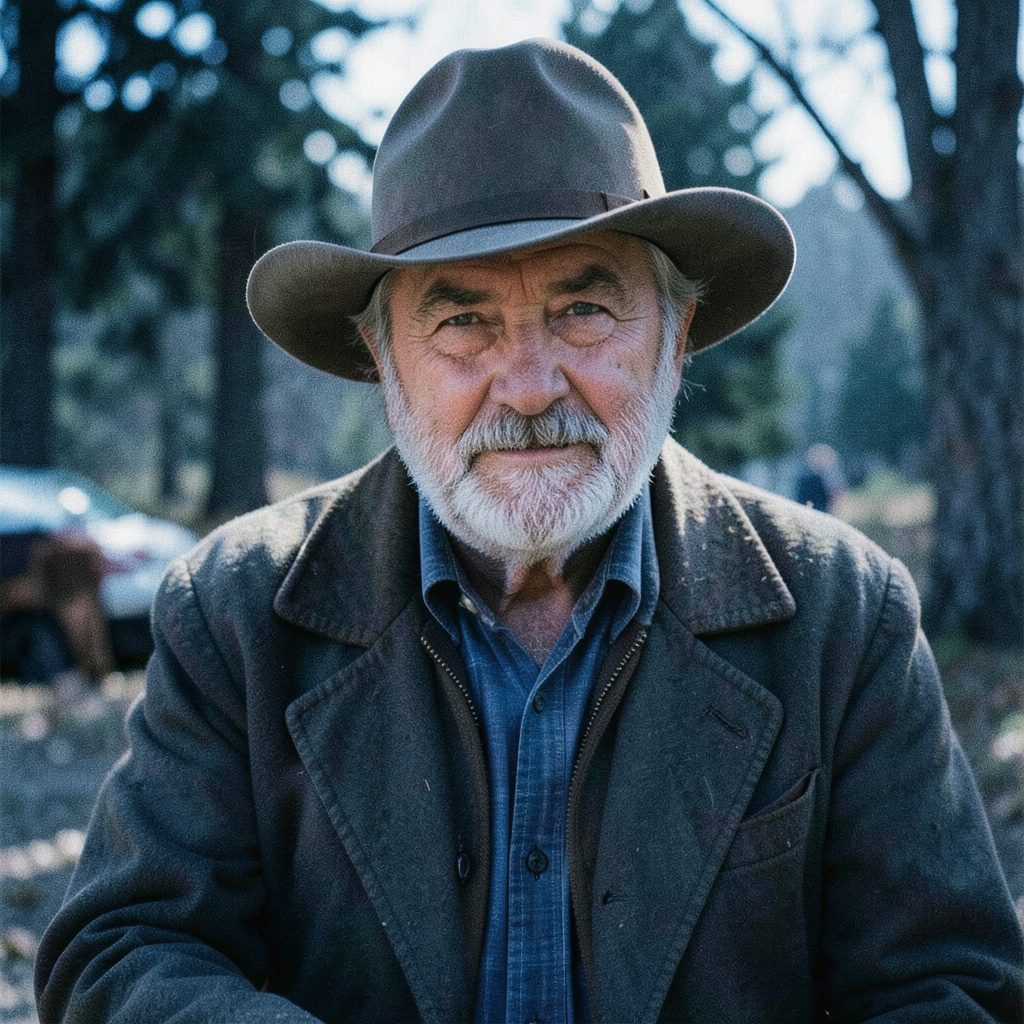
Charley Crockett, a third-generation Texas troubadour, reviewed
Charley Crockett grew up around the oil towns and rural roads of Southeast Texas, and The Night in Texas carries that map in its boots. The third-generation Texan builds songs from plainspoken country, honky-tonk, western swing and a touch of Tex-Mex warmth. They can fill a dance hall without turning grime on the floor into a gimmick.
His 2024 release comes with a distinct sense of place and a low, sandpaper voice that knows when to lean into a chorus. Co-produced with Taylor Phillips, the record balances dusty shuffle beats with reflective, cinematic arrangements. Crockett follows the road between a Saturday-night two-step and the private ache of a three-in-the-morning drive.
For Australian listeners, the appeal begins with familiar country storytelling and extends into details that reward close attention. At the Tamworth Country Music Festival in New South Wales, audiences recognise songs built around characters, weather and consequence; this record shares that directness while wearing distinctly Texas seams. It also suits the intimate listening found in Melbourne’s small-room gigs, where a resonant voice can matter more than glossy production.
Roothog Radio has followed that closeness since 2010, presenting itself as the “Purveyors of Honky Tonk” while serving listeners who want programming, song history and musical company. The Night in Texas feels made for that audience: a deep album for a long drive, a late session or kitchen speakers at full volume, without losing the warmth that makes country communal.
Roots, road signs and Texas identity
Crockett’s title is not accidental. Across “The Night in Texas,” “Texas Calling” and “Feelin’ Country,” the state is less a backdrop than a presence with its own accent and appetite. The songs nod to dance halls, open country and long distances between towns, yet avoid turning Texas into a novelty.
His upbringing in and around Southeast Texas supplies confidence and unease. Oil-field towns, ranch roads and Gulf Coast weather enter as lived texture, giving the album the air of something observed rather than manufactured. “Bring It On Home” and “Lot of Me” make domestic loyalty feel larger than a chorus belted from a car bonnet.
That balance keeps the record from becoming a regional document. Crockett can step back into universal country themes—homesickness, regret, affection, second chances—without sanding away the details that make his perspective singular. The result welcomes a first-time listener and rewards anyone who knows the honky-tonk tradition.
Rhythm tracks the state at speed
The opening movement of “Feelin’ Country” establishes the engine: a relaxed shuffle, worn-looking guitar and drums that lean forward without hurrying the singer. It is recognisable as honky-tonk country, but not museum-piece country. The pulse suggests a room full of neighbours rather than an empty stage reconstructed from old photographs.
Crockett’s voice carries much of the force. His low register can sound conversational, then reveal a hard edge as a chorus rises. Co-production with Taylor Phillips gives the arrangements room to breathe, so fiddles, pedal steel, horns and rhythm guitar can share the frame. The polish never erases sweat; it places it under better light.
Several tracks suit the long Australian road without turning country into soundtrack shorthand. “Texas Calling” feels natural beside a windscreen pointed north from Brisbane along the Bruce Highway, with truck-stop country radio and open horizon outside. The rhythm makes the passenger feel every kilometre.
Honky-tonk with a wider Texan accent
The country foundation is firm, but the accessories vary. Western swing gives “Dance with the One That Brought You” lift, while restrained conjunto colouring around “Cry Like a Rainstorm” adds tenderness a purely barroom palette might miss. Crockett also leaves space for road-rock weight, keeping the songs contemporary without sanding off their Texas grain.
Playfulness keeps darker material from becoming heavy. “If I Had a Dollar” turns money into a jaunty proposition, and “I Wasn’t Looking” uses romantic evasion as comic relief. That loose approach fits Australia’s pub-session culture: buying a round, catching the chorus and letting the whole room carry the last line. Sydney’s pub-rock rooms and neighbourhood country nights offer a natural home.
That emphasis on choice is the same principle described in digital jukebox technology: a good jukebox removes friction between listener and song. Crockett’s sequencing works similarly, moving among tempos, moods and shades of country without feeling automated. The record knows when to jig, sway and let silence work.
The after-hours mood
“The Night in Texas” places widescreen atmosphere around songs that might otherwise sit flat. Shadowed guitars, patient drums and a chorus seeming to travel beyond the microphone suggest a road lit by a single pair of headlights. It is cinematic without becoming grandiose, giving the album a nocturnal centre.
That mood suits a long Saturday in Melbourne: dinner somewhere noisy, then a small room where the evening slows enough for every vocal inflection to register. Even the brighter numbers retain a trace of night. Crockett is not singing to empty the room; he is giving people a reason to remain in it together.
Anyone wanting to carry the mood into the next song can use Roothog Radio’s guide to building a honky-tonk jukebox, where fiddle-led, steel-edged and bruised-ballad options sit comfortably together. It extends the album because the best tracks here belong in a sequence, trading energy and intimacy rather than crowding one mood.
Vulnerability without surrendering the swagger
“Cry Like a Rainstorm” is the clearest emotional centre. Its arrangement leaves enough air around Crockett’s voice for the lyric to sound exposed, while country tenderness and Southwestern colour give it weight without theatre. Its strongest quality is patience: the feeling arrives gradually, then the chorus resolves with welcome rather than force.
Elsewhere, “Just Like You” handles closeness with a light hand, while “The River” reflects on change and distance through a spacious arrangement. “I Wasn’t Looking” and “Bring It On Home” restore the bounce, showing how swagger and sincerity can share the same recording and say the same thing.
The achievement is not discovering unfamiliar territory. Crockett knows the honky-tonk codes and uses them confidently, but alters their proportions enough to keep repeated listens alive. Live, the set should move particularly well, since the loosened pulse of “Feelin’ Country” and the title track invites a room to answer rather than observe.
A playlist that reveals the album
For a first pass, follow the album rather than sampling a single genre cue. Its sequencing is part of the storytelling: the shuffle of the opening gives way to larger songs, then smaller revelations, before the final run restores motion and companionship. The route below reveals that arc without prescribing what a listener should prefer.
- Begin with “Feelin’ Country” to hear the shuffle, vocal character and low-slung atmosphere that set the album’s tempo.
- Choose “Texas Calling” when you want the widest road-song chorus and a clean statement of the record’s central idea.
- Give “Cry Like a Rainstorm” unhurried attention; its exposed vocal and changing colour make it the emotional pivot.
- Place “I Wasn’t Looking” after a heavier track to hear how quickly Crockett can shift into conversational, flirtatious country.
- Save “The Night in Texas” for the small hours, when its cinematic shadows and expansive refrain have room to unfold.
- Close with “The River” if you want the record to end expansively, reflective and ready for another journey.
Played in this order, the songs reveal an artist balancing two instincts: entertaining a crowded room and telling the truth inside a smaller one. The transitions matter, especially between playful numbers and ballads. The result is less a collection than a convincing night moving towards morning.
Keep the honky-tonk playing
The verdict is that The Night in Texas is a convincing country album with a regional accent all its own. It understands repetition as comfort, but changes the lyrical angle or rhythmic shape before familiarity settles into autopilot. Fans of Crockett’s previous work will recognise the toughness; newcomers may simply hear a convincing, varied Texas voice.
Roothog Radio can follow the album through programming, song history and listener requests, giving it a life beyond one play. Fans can explore artist and album pages through the site’s music store, while monthly supporter subscriptions help sustain the online station and its dedicated honky-tonk identity.
Then make it part of the next listening session. Put on “Feelin’ Country,” choose a request and let The Night in Texas turn the volume and miles into something worth sharing through Roothog Radio.