
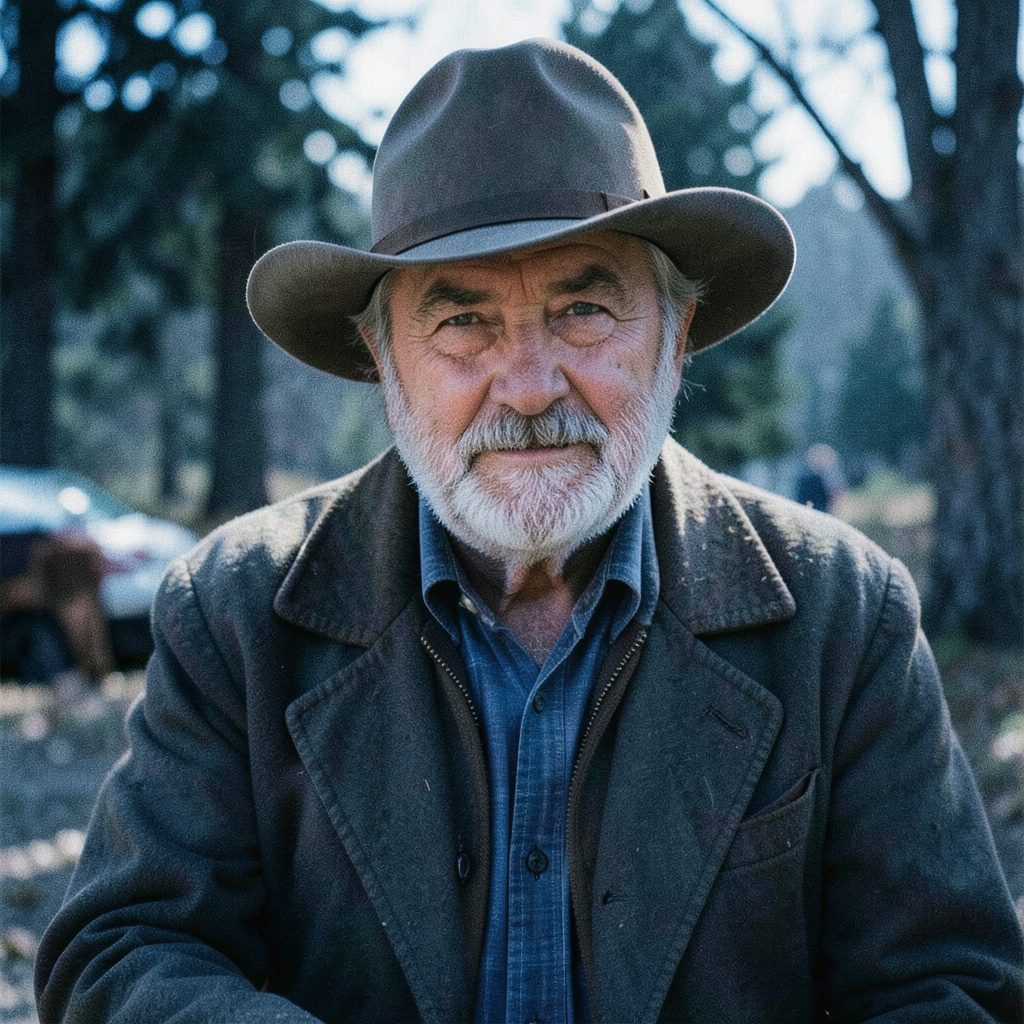
A look at the honky-tonk scenes in Amarillo and Midland
Honky-tonk music is built for movement, neon light and the direct conversation between a band and a crowded dance floor. It can include western swing, rockabilly, outlaw country, Texas shuffle and newer songs with steel guitar or fiddle. In Amarillo and Midland, those styles meet in bars where country, rock and working-week social life blur together. The appeal is as much about the room as the record.
For Australian listeners, the comparison is not about copying a dance hall routine. It is about recognising a different kind of community music economy: regular singers, dependable door staff, local promoters and fans who treat a live set as part of the week. Roothog Radio’s schedules, song history and requests give that community a shared memory, offering a practical way to follow honky-tonk and Texas music without living in west Texas.
Two cities, two versions of Texas country
Amarillo, on the High Plains, tends to represent honky-tonk culture as a broad, communal night out. Ranch country, road music and western swing can share the same bill, with enough volume and pedal steel to move from barroom conversation to a two-step without ceremony. Billy Bob’s Texas in Amarillo has also shown how a local room can become a destination for touring acts and devoted regulars.
Midland, farther south in the Permian Basin, carries a different charge. Oil money, boom-and-bust cycles and a population shaped by work in the fields have made its dance halls places to celebrate, escape and compare notes. The crowd may look different on a Friday than on a Saturday, but the room’s purpose stays clear: a live band, a DJ, cold drinks and enough space for the boots to move.
Neither city owns a single, fixed sound. A singer might stretch a traditional ballad, a band might lean toward country-rock, or a DJ might bring in bluegrass and 1950s rockabilly. For listeners sorting through recordings, it is sensible to preview a track before downloading it, especially when a polished studio version hides the grit that makes a live honky-tonk cut compelling.
Amarillo puts the dance floor first
Amarillo’s scene has deep roots in a ranch-and-rail region where weekends were once organised around work, family and the local dance. When honky-tonk clubs expanded, they gave the High Plains a place to turn individual taste into collective entertainment. That history still shapes the night: songs need to be recognisable, bands need to know when to push a ballad, and regulars expect a dance floor to stay usable.
Billy Bob’s Texas is the obvious stopping point for a visitor, but smaller Amarillo rooms reveal the scene more closely. Their menus may be simple, their stages compact and their lighting practical, yet the social contract is generous. Strangers are often introduced, songs are passed around, and a good set can shift the room from reserved chatter to full-throared singing. Country here is not background decoration; it is the reason the room has gathered.
Midland turns country music into a crossroads
Midland’s honky-tonk identity is tied to the Permian Basin’s oil economy. During a boom, crews and service workers arrive with disposable income and little interest in subtle programming; during a quieter spell, the same halls become dependable anchors for the people who remain. Music offers a shared ritual at a moment when the town’s population and fortunes can change quickly. A dance night becomes a place to recognise familiar faces outside the workplace.
Names such as The Horseshoe have become shorthand for Midland’s country-music nights. DJs can move from retro country to modern Texas hits, while bands mix honky-tonk swing with country-rock and outlaw material. The contrast is useful for anyone tracing regional scenes: both cities value danceability, but Midland adds the restless swagger of a boom town, and Amarillo carries more of the open, weather-beaten West Texas character.
The soundtrack is bigger than the bar
The music reaches beyond the club through radio, records and online archives, places where a visitor can hear how a local scene remembers itself. Song history shows more than titles: it records the sequence of a DJ’s night, the requests that connected a listener to a band and the songs that became shorthand for a particular month. Reviews add another layer by placing new recordings beside established country, rockabilly and Americana releases.
That mix matters because honky-tonk has never been a sealed category. A western swing instrumental might lead into a classic outlaw lament, then a funny drinking song with a modern drum beat. The music store and merchandise side of a music site extends that identity beyond streaming, giving fans posters, apparel or physical copies that carry the scene into cars, kitchens and community events. For Australian fans accustomed to buying through independent record shops or online marketplaces, that tangible connection remains meaningful.
Listening from an Australian perspective
Australian listeners can engage with these scenes without making a trans-Pacific trip, and the local comparison is more interesting than a simple list of famous venues. In Melbourne, small rooms around Brunswick and Collingwood often host roots-country bills; in Sydney, inner-west pubs around Redfern and Marrickville provide a similar mix of live music and neighbourhood hospitality. Brisbane’s Fortitude Valley and Adelaide’s West End offer their own club networks. The common thread is a strong appetite for bands close enough to hear every slide guitar.
Language and venue habits help set the tone. Australians may call an afternoon performance an arvo session, and a night at the local pub a pub night, while licensed venues might promote BYO drinks and advertise separate bar areas. Rules vary across states and councils, so checking the venue’s website before heading out saves awkward assumptions. A casual “fair dinkum” welcome can feel informal without being careless, and a “no worries” attitude makes it easy for newcomers to ask who is playing.
The market works through a layered network of community radio, independent outlets, promoters, ticketing services and regional touring. Capital-city shows often feed smaller hometown venues, while online sales and monthly supporter models help small stations cover travel, rights and equipment costs. For Australian country fans, that ecosystem is familiar: a local presenter’s recommendation can be as influential as a national chart, and a well-used record shop can serve as an informal headquarters for discovery.
Radio keeps the scene in rotation
Roothog Radio occupies the online end of that ecosystem with a format built around honky-tonk and Texas music. The station has operated under the “Purveyors of Honky Tonk” identity since 2010, and our radio story explains how that long-running label developed. Its role is part curatorial and part companion: it gives a listener a place to find out what is playing, what came before and which request deserves a place next.
The schedules and song history are useful practical tools for someone building a playlist or planning a night at home and for checking how a Texas scene treats a familiar track. Reviews give listeners a reason to investigate an album beyond a favourite single, while requests put a direct line between the audience and the programming. The music shop, merchandise and advertising features extend the same relationship, turning passive listening into participation without losing the independent spirit of the format.
Ways to hear, visit and support honky-tonk music
Trying the honky-tonk scenes in Amarillo and Midland can be as simple as choosing a song, following a schedule or visiting one room and staying for the next set. These recommendations help turn curiosity into a habit:
- Listen to a complete radio hour and note the shifts from western swing to country-rock, rockabilly or outlaw country.
- Build a playlist around one city’s dance style, then compare it with tracks from the other side of Texas.
- Read the song history to see which requests, favourites and special tracks shaped a particular week of programming.
- Check live-music listings in Brunswick, Redfern, Fortitude Valley or the West End before making a local night out.
- Read album and song reviews, then preview unfamiliar tracks before buying a physical copy or digital download.
- Support an independent station, club noticeboard or promoter when it helps keep live Texas music accessible.
Roothog Radio is where the long tail of Texas country stays audible between trips, shifts and changes in the scene. Tune in to the schedule, send in a song request, browse the history and, if you want to help keep the programming independent, become a supporter. The lights are on, the band is warming up and the next honky-tonk set is ready to start.