Thirty years behind the same honky-tonk microphone
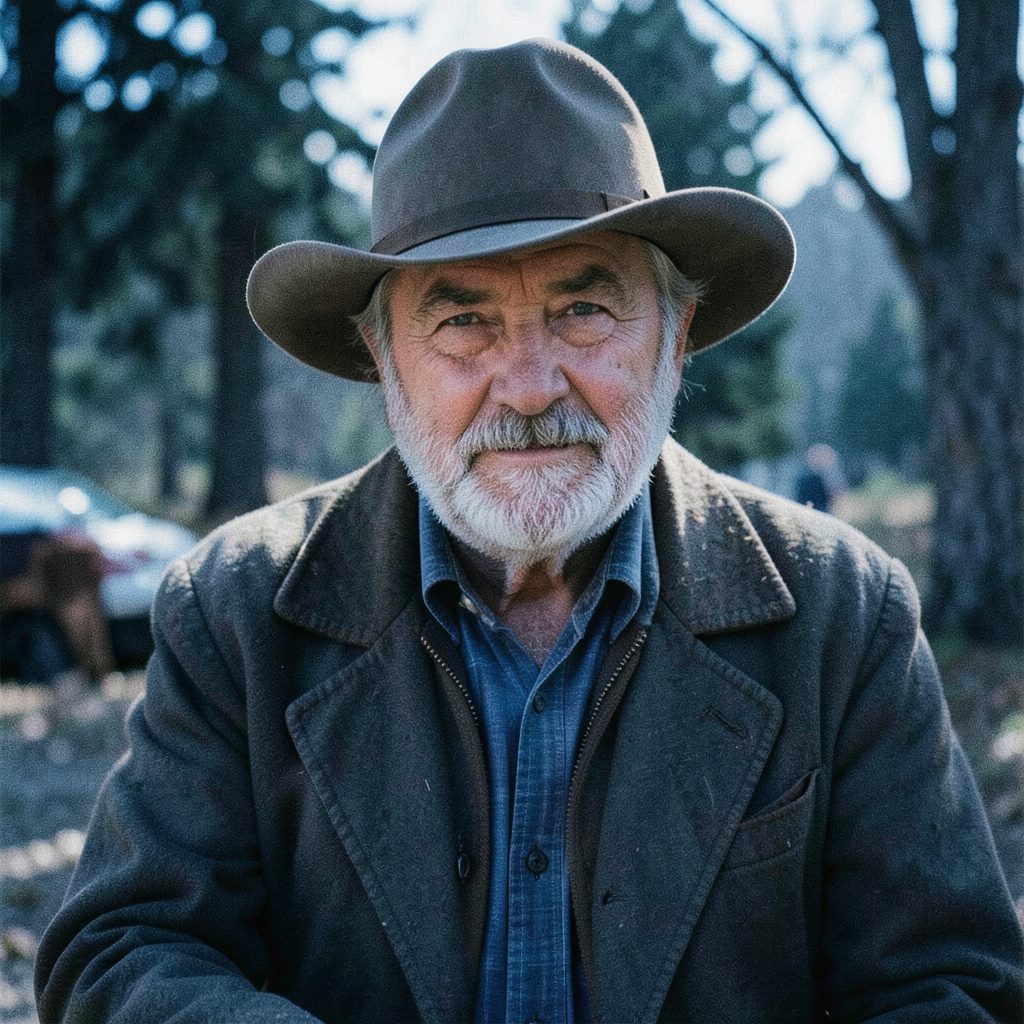
At 6:15 on a Friday evening, Ray Mercer still arrives at the same side door, carrying a record case in one hand and a paper cup of black coffee in the other. The bar has changed names once, replaced its carpet twice and gained a large television above the bottles, but Ray’s position near the stage remains much the same. For three decades, he has selected songs, introduced bands and read the mood of one honky-tonk room with the precision of a seasoned bartender.
His residency offers a useful window into what makes country radio and live bar music endure. In a conversation about requests, regulars, heartbreak songs and the future of Texas music, Ray describes the job as less about playing records than building trust. A good DJ knows when to lift a crowded room, when to give people space and when an old song says exactly what nobody wants to say aloud.
The booth behind the bar
Ray began working the venue in 1994, when the sound system consisted of two battered speakers, a cassette deck and a microphone with a tendency to cut out during introductions. “You learned to keep talking until somebody hit the amplifier,” he says. “If the crowd was still singing, you knew the technical problem didn’t matter much.”
The bar sits in a country town outside Fort Worth, but its audience has always included travellers, oil workers, students and musicians passing through Texas. Ray has watched fashions come and go, from neon two-step nights to acoustic songwriter sessions, yet the essential ritual has stayed intact: people gather around a bar, choose a song that carries a memory and wait for the first few notes to tell them whether the night will open up.
His role is part host, part historian and part traffic controller. He keeps the dance floor moving without flattening the room into a playlist. A George Jones ballad may follow a fast honky-tonk shuffle, while a new Texas country track can sit comfortably beside a 1960s classic if the emotional temperature is right.
Thirty years of changing rooms
“The biggest change is that people arrive knowing more songs,” Ray says. “They’ve got streaming services, clips on their phones and playlists made by friends. That’s good for music, but it means the DJ has to offer something beyond recognition.”
For Ray, that something is context. He tells listeners who wrote a song, which session musician played on it or why a particular version became a barroom favourite. That approach has a natural connection with Roothog Radio’s song histories, album reviews and schedule-led programming. A broadcast can become a guided evening rather than a stream of unrelated tracks.
Australian listeners recognise this balance. At a pub in Brisbane or Newcastle, a country set may move from Slim Dusty to Charley Crockett, with a request for “The Gambler” arriving from someone who rarely listens to country music at home. At the Tamworth Country Music Festival, the same listener might spend the afternoon hearing emerging Australian artists before asking for a classic at night. Local taste is broad, but the desire for a shared chorus remains strong.
Ray also notices that people now request songs through text messages and social platforms rather than writing their names on a napkin. “The technology changes the route, not the reason,” he says. “They still want to hear a song because it belongs to a person, a place or a particular year.”
What the barstool teaches a songwriter
A barstool can look like an ordinary piece of furniture, but it often becomes a fixed point in a listener’s story. Ray has seen first dates, quiet reconciliations, birthdays and lonely post-shift drinks unfold from the same row of seats. He says songwriters should pay attention to those small scenes instead of reaching for grand declarations.
That idea is explored in Roothog Radio’s piece on barstool songwriting, which treats the honky-tonk seat as a place where observation turns into lyrics. Ray agrees with the central instinct. “You don’t need a mountain or a highway every time,” he says. “Sometimes the whole song is a receipt, a half-finished beer and somebody who won’t make eye contact.”
His favourite requests are specific enough to reveal a life. A caller asking for a song “for the woman in the red jacket” may be making a public announcement without saying a word. Another regular may choose a familiar waltz each month in memory of a parent. The DJ’s responsibility is to protect the feeling rather than expose the person behind it.
That restraint matters in Australia as well, where pub culture often mixes public sociability with a strong respect for personal space. A Sunday session in Melbourne, a late set in Perth or a country gig outside Adelaide can feel communal without becoming confessional. The best presenter understands the difference.
Reading the room without losing the song
Ray does not use a formal chart to decide what comes next. He watches the floor, listens for the volume of conversation and notices whether people are facing the stage or turning towards their tables. “If the dancers are smiling but the people at the bar are leaning in, you’ve got a good problem,” he says. “You can choose a song that keeps both groups with you.”
He keeps several categories in mind: dance-floor fuel, listening songs, requests for couples and tracks that reset the room after an emotional peak. The categories are flexible, but they stop the night from becoming a contest between the loudest regular and the most recent release.
A strong honky-tonk DJ also knows when not to chase novelty. Fresh singles matter, especially for musicians trying to reach audiences beyond the touring circuit, yet an unfamiliar song needs a doorway. Ray might introduce it by naming the town where the artist comes from or pairing it with an older influence. That small explanation gives listeners a reason to stay with the track.
For Australian stations and venues, that local framing can be valuable. The country market stretches across major cities, regional pubs and festival stages, and a presenter can connect those worlds by mentioning a songwriter from Tamworth, a touring band from Sydney or a new act building a following in regional Queensland.
The habits that keep a room alive
Ray’s working rules are simple, but they have survived thousands of crowded evenings:
- Learn the regulars’ names and never assume their requests are predictable.
- Keep one dependable dance song ready after every slow number.
- Introduce unfamiliar artists with a detail listeners can remember.
- Leave room for silence, laughter and the sound of people singing.
He also keeps a private list of songs that should be played only when the room is ready. These are often fragile ballads, songs with a strong association to a late regular or tracks that can empty the floor while filling the room with attention.
The songs that usually create the strongest response include:
- A plainspoken heartbreak song with an unforgettable final line.
- A two-step number that invites newcomers onto the floor.
- A regional favourite that connects travellers with locals.
- An old recording that sounds better because everyone knows it.
Ray says the list changes with the crowd, but the principle does not: variety works when the DJ understands the emotional link between the songs. One track should make the next feel natural, even if the tempo, decade or performer is different.
From pub jukebox to digital stream
The modern bar DJ works across several worlds. A live room may have a request board, a venue playlist and a social account promoting the next show, while the same songs reach listeners through online radio. Roothog Radio’s mix of streaming, schedules, music reviews, shopping and supporter subscriptions reflects that broader ecosystem.
Ray sees digital tools as useful when they serve the relationship rather than replace it. He checks new releases, follows independent Texas artists and listens to audience feedback, but he still tests a song in a room before deciding whether it belongs in a regular rotation. “A track can look perfect on paper and do nothing at 10:40 on a Friday,” he says.
Advertising has also changed. Music stores, festivals, clothing brands and online entertainment companies may all seek access to a country audience. Some campaigns involve digital payment systems and regulated gaming content, including PaySafeCard casino offers, so broadcasters need clear commercial standards and careful separation between editorial choice and sponsorship.
For the Australian market, that distinction is especially important. Listeners may support a station through a monthly subscription, buy merchandise from a specialist music site or attend a regional festival, but they expect transparency about paid promotions. Trust, once lost, is difficult to recover in a close-knit music community.
Why the long residency still matters
Ray has stayed because the bar gives music a physical life. A song is no longer an isolated file or a line on a schedule; it becomes part of a room where people dance, argue about singers and remember who stood beside them when the chorus began. That history gives a long-running DJ a kind of authority that cannot be downloaded.
He has introduced hundreds of performers, from touring names to local acts carrying their own amplifiers. Some artists returned years later with larger audiences, while others played one unforgettable set and moved on. Ray remembers them all by the response they created. “You can tell when a performer has found the room,” he says. “The crowd stops waiting for the familiar song.”
His own favourite moment came during a storm that knocked out the venue’s power. Rather than send everybody home, the band gathered near the bar and played acoustic songs while Ray called out verses for the crowd. “No microphone, no lights, no jukebox,” he recalls. “People listened harder because there was nothing else competing with the music.”
That is the lesson of three decades in one honky-tonk: technology can widen the audience, but attention is still earned one song at a time. A reliable presenter carries the room’s memory forward while making space for the next voice, the next request and the next story.
Tune in to Roothog Radio for honky-tonk programming, song histories, Texas music reviews and listener requests, then support the artists and broadcasters who keep the barroom tradition moving.